Key Takeaways
- Published software prices in this comparison range from $5 per person per month for resource scheduling, billed monthly, to $99 per team member per month for one PSA Enterprise tier, billed annually. These prices are not directly comparable.
- Among the broader PSA platforms with public pricing reviewed here, entry plans start at $17 per user per month for Projectworks and $17 per user per month for a two-app Scoro combination when billed annually.
- Paid-user definitions, minimum seat commitments, included capabilities, implementation, integrations, migration, support, and add-ons can materially change first-year and ongoing cost.
- A per-user rate is only useful once you know which plan includes the capabilities your organization actually needs.
- Custom pricing is not inherently a concern. What matters is whether the final proposal makes the scope, assumptions, additional charges, contract terms, and renewal conditions clear.
- Compare every proposal using the same first-year and ongoing cost model, rather than choosing based on the lowest advertised rate.
Professional services automation (PSA) pricing varies widely because vendors package very different combinations of project delivery, resourcing, time tracking, billing, forecasting, and financial management.
In this comparison, published prices run from $5 per person per month for Resource Guru, a resource scheduling platform, to $99 per team member per month for Rocketlane's Enterprise PSA plan. Note that those two figures sit on different billing bases: the Resource Guru rate is its monthly price, while the Rocketlane rate requires annual billing. Those figures are useful reference points, but differences in scope and structure make direct comparison difficult. Resource Guru is substantially narrower than a full PSA platform, and many enterprise PSA vendors do not publish pricing at all.
The subscription rate is only one part of the total cost. Minimum seat commitments, implementation work, integrations, data migration, higher plans, support, and paid add-ons can all change what you spend in the first year. Renewal costs can also change significantly: one Harvest customer, for example, reported facing a 1,500% price increase for a single user after years on a legacy plan.
How Much Does PSA Software Cost in 2026?
The public prices below show why a single "average PSA price" is difficult to use. Some products focus on one part of professional services operations, while others cover a much broader set of delivery and financial workflows.
The $5 and $99 figures should not be read as an industry-wide PSA price range. Resource Guru provides a lower-priced resource scheduling reference point, while Rocketlane's $99 plan is one published Enterprise-tier example in this comparison. Other enterprise PSA platforms use custom pricing.
Among the broader PSA products in the table, Projectworks starts at $17 per user per month, a two-app Scoro combination starts at $17 per user per month, BigTime Essentials at $20 per user per month, and Rocketlane's lowest publicly listed plan is Standard at $49 per team member per month.
But those starting prices still represent different purchases. A professional services automation (PSA) platform may cover project delivery, resource management, time tracking, billing, financial management, forecasting, and reporting, but each vendor decides which capabilities sit in which plan.
If you are still determining which products belong on your shortlist, our guide to the best PSA software compares platforms by professional services use case rather than price alone.
Why PSA Software Prices Are Hard to Compare
A $20 user license from one vendor may include very different capabilities or apply to different types of users than a $20 license from another vendor. Before comparing subscription totals, establish which users require paid licenses and which capabilities are included at that price.
Who counts as a paid user or resource?
Start with the vendor's billing definition rather than multiplying the advertised rate by company headcount.
Depending on the product, you may be paying for:
- Users with a login
- People actively managed in the platform
- People represented in resource plans
- Contractors
- Report-only users
- People who do not log in but whose availability is scheduled
- Non-human resources, such as rooms or equipment
Minimum seat commitments and predefined purchasing bands can further affect the total.
Resource Guru charges for people added to an account, whether they log in or not, regardless of permissions. Projectworks also defines a user as an active person in the platform regardless of login activity. Its plans require a minimum of 10 users and bill additional users in bands of five.
Rocketlane lists a minimum of five team members on its Standard and Premium plans, while Scoro requires at least five user seats across its app combinations.
Those rules can materially change a quote. A 100-person consultancy should not assume that every vendor will require exactly 100 identical licenses. The billable quantity depends on who needs access, who needs to be represented in the system, and how that vendor structures billing.
Which capabilities are included?
Professional services automation (PSA) can cover project management, resource management, time tracking, invoicing, project financials, forecasting, and reporting.
Entry plans do not necessarily include every capability you need.
Scoro prices by app combination rather than by tier. Capacity planning sits in its Resource app, quoting and margin estimation in Estimate, and client billing in Invoice, so the per-user rate depends on which of the eight core apps your workflow needs. Revenue forecasting and recognition, WIP reporting, and multiple currencies sit in two separate add-ons, Advanced Work and Advanced Financials, which are purchased on top of the core apps.
Rocketlane's Premium plan adds resource planning, capacity management, utilization tracking, project budgeting, margins and profitability, revenue recognition, and invoicing.
Projectworks takes a different approach. Build includes time and expenses, resourcing, invoicing, forecasting, and accounting integrations. Scale adds capabilities such as multi-office and multi-currency support, while API access and multi-entity functionality are currently listed in Unleash.
The relevant price is the price of the plan that meets your requirements. If capacity management brought you to the market, compare plans that include the capacity functionality you need rather than comparing entry prices.
WORTH KNOWINGBe careful with category-wide PSA pricing benchmarks that have not been refreshed. Capterra's PSA category page states that its published pricing ranges were derived from entry-level vendor prices collected on February 27, 2020. Those figures are more than six years old and are not a reliable benchmark for a 2026 PSA software budget.
What does quote-based pricing tell you?
Some PSA vendors do not publish a fixed per-user rate because the quote depends on variables such as team size, workflows, implementation requirements, integrations, migration, and support.
That pricing model does not automatically make the product more or less expensive. What matters is whether the proposal provides enough detail to understand what you are buying and what could change the cost. A final proposal should make clear:
- Who you are paying for
- Which capabilities are included
- What implementation covers
- Which costs are optional
- What usage could trigger additional charges
- How long the commercial terms apply
- What pricing or terms can change at renewal
What Can Increase Your Total PSA Software Cost?
Your first-year PSA software cost may include more than the subscription. Implementation, integrations, migration, add-ons, seat rules, and the plan required for your workflows can all affect the total.
What does implementation include?
PSA implementation may involve:
- Workflow and requirements mapping
- Platform configuration
- Data preparation and migration
- Integration setup
- Testing
- Administrator training
- Employee training
- Rollout support
Projectworks, for example, publishes a starting price for onboarding. Its current pricing page lists personalized onboarding from $1,000, with the final cost based on requirements. The service includes data migration and training.
Implementation timelines also vary. Data quality, integration complexity, workflow configuration, internal availability, and the number of teams involved can all affect the rollout. Ask each vendor for an implementation plan with milestones and responsibilities rather than relying on a standard timeline.
Our PSA implementation guide covers the work that should be planned before implementation begins.
Which integrations need to work on day one?
List the systems your PSA will need to work with after implementation. Depending on your technology stack, those may include:
- CRM
- Accounting
- ERP
- HRIS
- Email and calendars
- Payroll
- Business intelligence tools
For each system, establish:
- Whether a native integration exists
- Which plan includes the integration
- Whether API access requires a particular plan
- Who owns data mapping
- Who tests the connection
- Whether custom development is required
- Which data moves between the systems
A native connector reduces some technical work, but the integration may still require configuration, mapping, testing, and decisions about which system is the source of truth for each data type.
Can add-ons or usage create additional charges?
Some PSA capabilities or usage are priced separately from the core subscription. Depending on the vendor, additional cost may come from:
- AI products or MCP connectors
- API access
- Automations
- Advanced reporting
- Multi-entity capabilities
- Premium support
- Additional resources or placeholders
- Additional storage or usage
- Security and administration requirements
Rocketlane, for example, keeps AI capabilities outside its published core plans. Its AI Fills feature is bundled into the Nitro Premium agent tier, which is quote-based rather than publicly priced.
Scoro takes a similar approach to depth features: its Advanced Work and Advanced Financials add-ons, plus more than 35 further add-ons and integrations, are priced separately from the core app combination, with some integrations charged per piece or per user.
Resource Guru prices non-human resources separately from people, and its plans include different allowances for placeholders. Grasshopper includes one placeholder, Blackbelt five, and Master ten; additional placeholders are charged at the plan's per-person rate, and all non-human resources are billed separately.
An add-on isn't necessarily a drawback, but it should be included in your cost model if you expect to use it.
Are you comparing the plan you would actually buy?
An attractive entry price is not particularly useful if the plan does not support the workflows that are prompting the PSA purchase.
If your operations team needs capacity management and the relevant resource functionality sits above the entry tier, use that higher plan in the budget. Apply the same test to:
- Project profitability
- Revenue forecasting
- Multi-entity support
- API access
- Integrations
- Advanced billing
- Reporting
- Security requirements
A cheaper subscription does not save much if you still have to maintain spreadsheets or other systems to cover the missing workflows.
How to Build a Realistic PSA Software Pricing Budget
A realistic PSA budget accounts for the subscription fee, implementation costs, and the internal time required to get the platform running and keep it running well. It should also account for how those costs change as adoption, headcount, or operational complexity grows.
Separate the budget into three parts
- Recurring software cost. Include subscriptions, required plans or modules, usage charges, paid integrations, add-ons, and support.
- One-time rollout cost. Include implementation, configuration, migration, integration work, testing, and training.
- Internal operating cost. Account for employee time spent on data cleanup, implementation, administration, reporting, and ongoing process changes.
Together, those costs provide a more realistic first-year estimate than multiplying the subscription rate by user count.
If the purchase requires executive approval, building a business case for new software can help link the investment to the operational and financial problems you expect it to solve.
Model more than the initial rollout
The team you price today may not be the team using the PSA a year from now. Model the initial purchase, expected adoption, and a reasonable growth case.
Consider a 50-person consultancy. Forty employees may work in the platform regularly; leadership may need reporting access, finance needs an accounting integration, historical project records need to be migrated, and someone internally has to own administration.
One vendor may charge for everyone represented in its resource plans. Another may charge based on a different definition of a licensed user. A third may require a higher plan for the financial or integration capabilities you need.
The headcount is the same; the commercial scope is not.
Compare the cost with the problem you are paying to solve.
Use your own operating data rather than relying on a generic PSA ROI percentage.
Depending on the reason for the software search, relevant baseline costs may include:
- Billable work that is not invoiced
- Billing delays
- Retainer over-servicing
- Write-offs
- Administrative reconciliation between systems
- Low or uneven resource utilization
- Project overruns identified too late for delivery or finance to respond
A current project profitability analysis can help establish that baseline before you compare it with the cost of new software.
How Should You Compare PSA Quotes Fairly?
Apply the same cost model to every vendor proposal before comparing totals.
Use the same assumptions for paid users, required capabilities, implementation, integrations, migration, support, add-ons, usage limits, contract terms, and renewal conditions. Then calculate both first-year and expected ongoing cost.
An incomplete row tells you where more information is needed before the proposals can be treated as equivalent.
Give each vendor the same team assumptions, workflow requirements, integration list, migration scope, and reporting requirements. Otherwise, you may be comparing different implementations rather than different prices.
Our guide on choosing PSA software covers the broader functional evaluation. You can also use our PSA Software Requirements Checklist to keep requirements consistent across your shortlist.
PRACTICAL TIP: Model renewal as well as year one. Vendors do restructure pricing mid-relationship: Scoro replaced its tiered plans with modular app pricing in August 2026, and Rocketlane's published entry tier and standalone AI add-on both changed during 2026. More broadly, Common Paper's 2026 benchmark found auto-renewal clauses in 87% of the Cloud Service Agreements in its dataset, with a 30-day non-renewal notice window in about 70%. Before signing, confirm how renewal works, when notice is due, and what can change about the price.
Where Accelo Pricing Fits
Accelo uses custom pricing rather than publishing a fixed list price. Pricing is based on factors such as team size and growth goals, and includes implementation guidance, onboarding support, and access to the full platform.
If you're evaluating Accelo, start with the same requirements you're using to compare other PSA vendors:
- Team structure
- Project and delivery workflows
- Resourcing and capacity planning
- Time tracking
- Billing and financial requirements
- Reporting and business intelligence
- Integrations
- Migration
- Implementation and rollout requirements
Accelo says most teams are up and running within weeks, although timing depends on your requirements and rollout scope.
Once those requirements have been scoped, compare the Accelo quote with competing proposals using the same first-year and ongoing-cost model. An Accelo quote and another vendor's entry-level rate are only comparable if they cover the same requirements.
GET PRICING FOR YOUR REQUIREMENTS
See how Accelo would fit your team, workflows, systems, and rollout requirements.
Before You Sign: What to Get in Writing
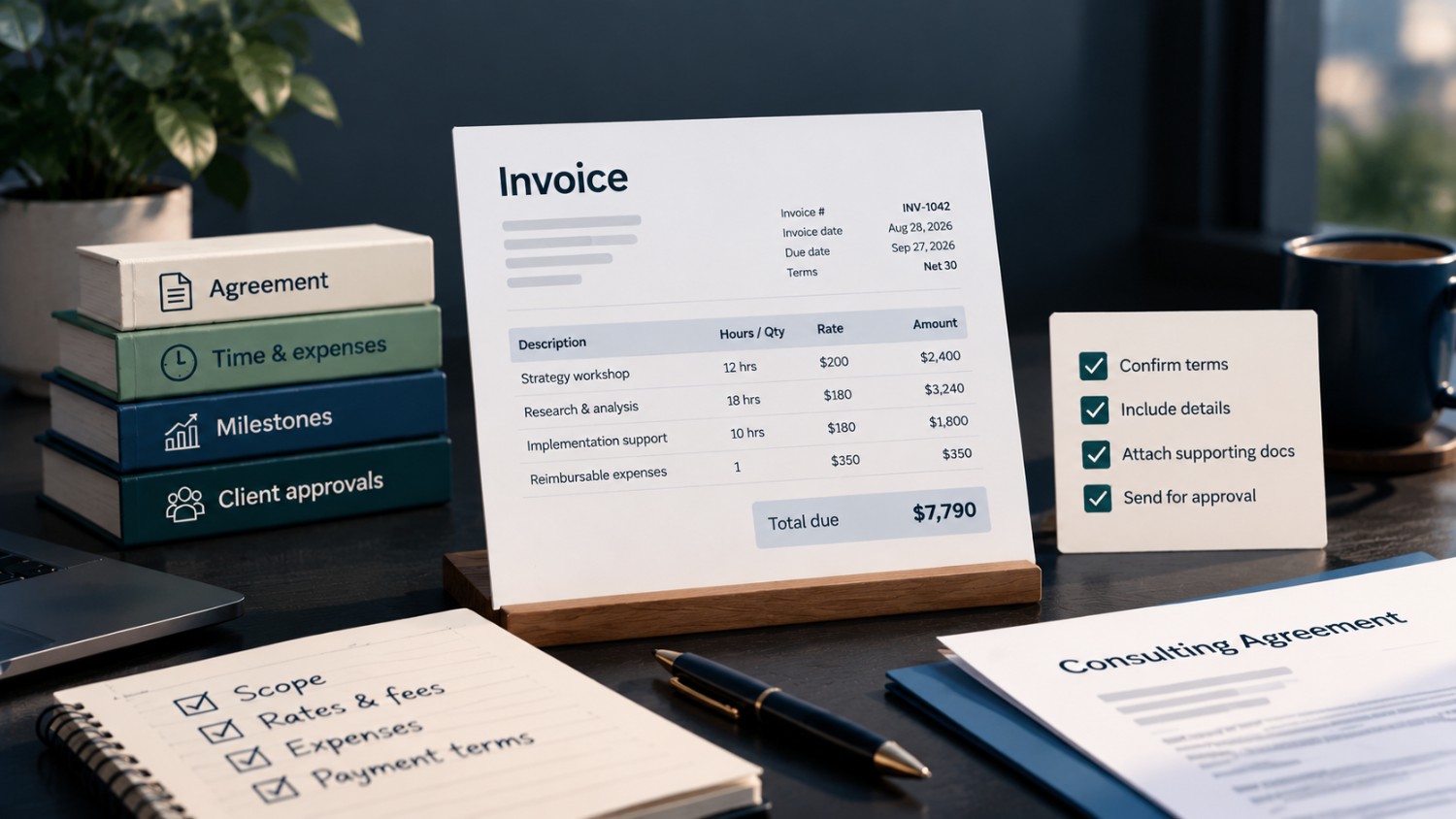
By the time of final approval, there should be no ambiguity about what you're buying, what you're paying, or what could affect the cost.
Confirm:
- Paid-user or managed-resource definition
- Minimum user commitments
- Included capabilities and required plans
- Implementation scope and responsibilities
- Data-migration scope
- Required integrations
- Training and support
- Usage limits
- Add-on charges
- Contract length
- Payment terms
- Renewal notice requirements
- Renewal pricing or increase provisions
- Total first-year cost
- Expected ongoing cost
A vendor cannot price every future change in advance, but the proposal should explain what today's quote includes and which assumptions could change the cost.
If a material line in your comparison is still blank, resolve the question before approving the purchase.
Book a Demo to get Accelo pricing based on your organization's requirements.
Frequently Asked Questions
How much does PSA software cost?
Among the broader PSA platforms with public pricing reviewed for this article, entry plans start at $17 per user per month for Projectworks and $17 per user per month for a two-app Scoro combination when billed annually. Rocketlane's lowest publicly listed plan is $49 per team member per month. Published higher tiers can reach $99 per team member per month, while many enterprise PSA platforms use custom pricing. Related resource scheduling products may start lower.
Why do some PSA vendors not publish pricing?
Quote-based PSA pricing may account for team size, workflows, implementation, integrations, migration, support, and other requirements that affect the scope of a PSA rollout. The final proposal should still clearly explain what the quoted price includes.
Is quote-based PSA pricing a red flag?
No. The concern is a lack of clarity after requirements have been scoped. Before committing, confirm who counts as a paid user, which capabilities are included, implementation scope, additional charges, usage limits, contract terms, and renewal conditions.
What should be included in a PSA software quote?
A PSA quote should identify the subscription, paid-user definition, minimum commitments, required plans or modules, implementation, data migration, integrations, training, support, usage or add-on charges, contract terms, and renewal conditions.
What costs are outside published PSA pricing?
Depending on the vendor, implementation, data migration, integrations, required plan upgrades, API access, AI products, premium support, and usage charges may sit outside the advertised subscription rate. Review the vendor's commercial terms before treating a public price as your total budget.
Is per-user pricing the best way to budget for PSA software?
Per-user pricing helps estimate subscription cost, but it does not account for different user definitions, minimum commitments, implementation, integrations, higher plans, add-ons, or usage charges. First-year and expected ongoing total cost provide a more useful comparison.



.svg)


.svg)